

Speech Therapy
SUPPORTIVE & ENGAGING
Speech Sound Disorders We Treat
Speech therapy helps children develop clear, effective speech so they can communicate with confidence at home, at school, and in their communities. Whether a child has difficulty producing specific sounds, uses speech patterns that make them difficult to understand, or experiences challenges with motor planning for speech, therapy is individualized to their unique strengths and needs. Our goal is not only to improve speech accuracy, but to support meaningful communication in everyday life.
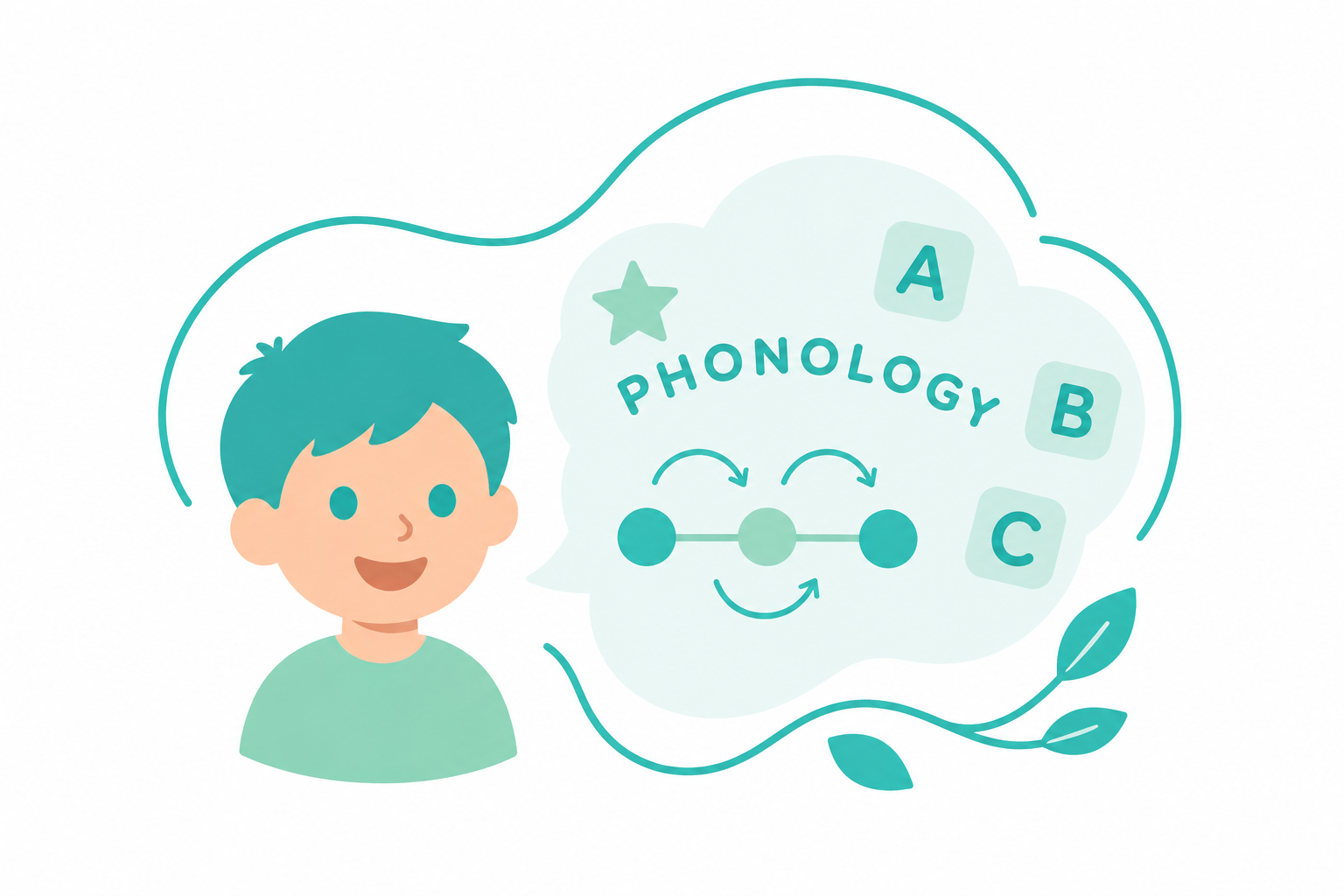
Phonological therapy focuses on helping children learn the sound patterns of language. Some children use predictable speech patterns that affect multiple sounds, making their speech difficult to understand. Intervention helps children recognize and use speech sounds more accurately while also strengthening the foundational skills that support literacy development, including sound awareness and letter-sound knowledge.
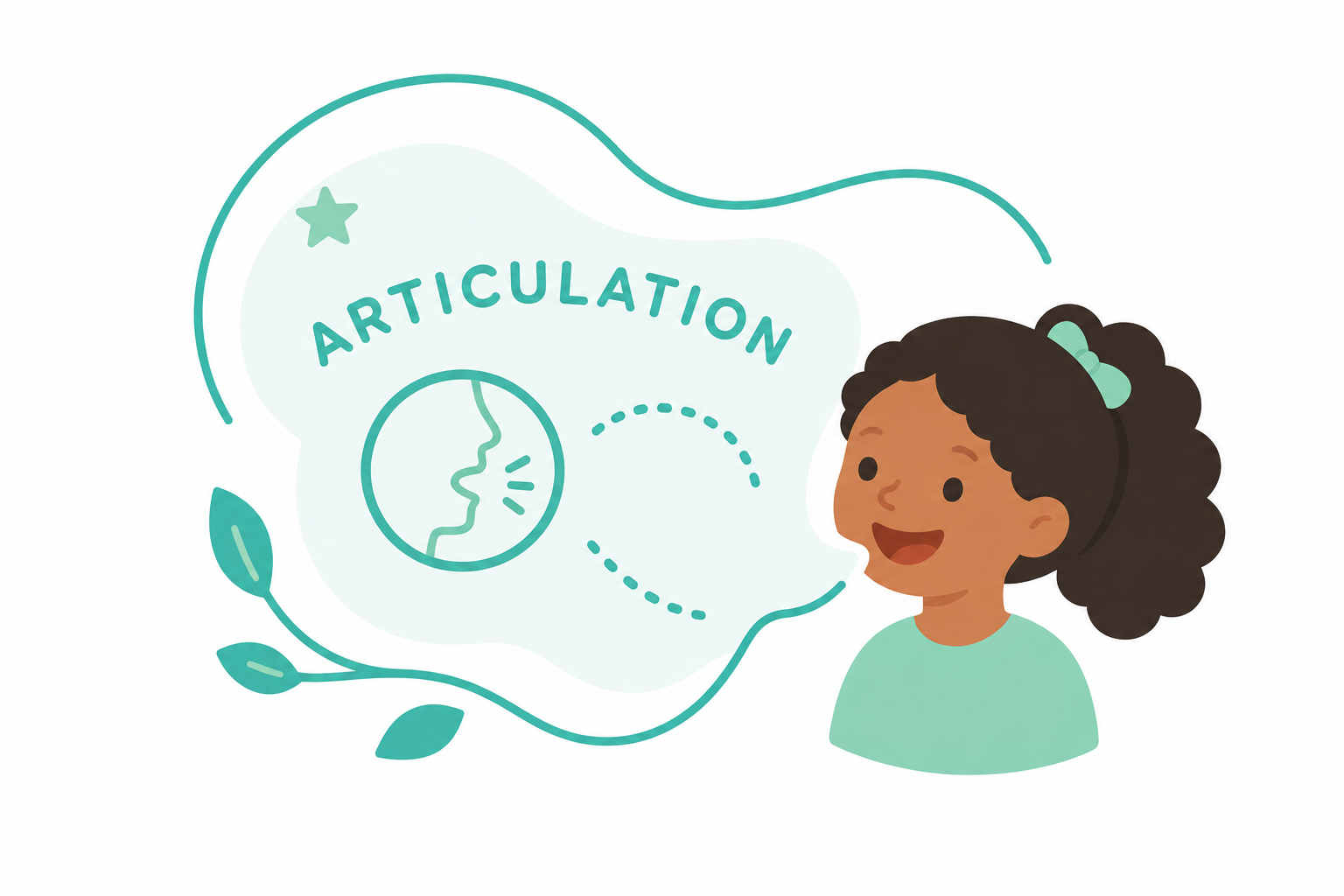
Articulation therapy helps children learn to produce speech sounds accurately and consistently. Children are taught how sounds are made and gradually practice them in increasingly complex contexts—from individual sounds to words, sentences, and everyday conversation. Therapy is engaging, systematic, and designed to help children become more easily understood by others.
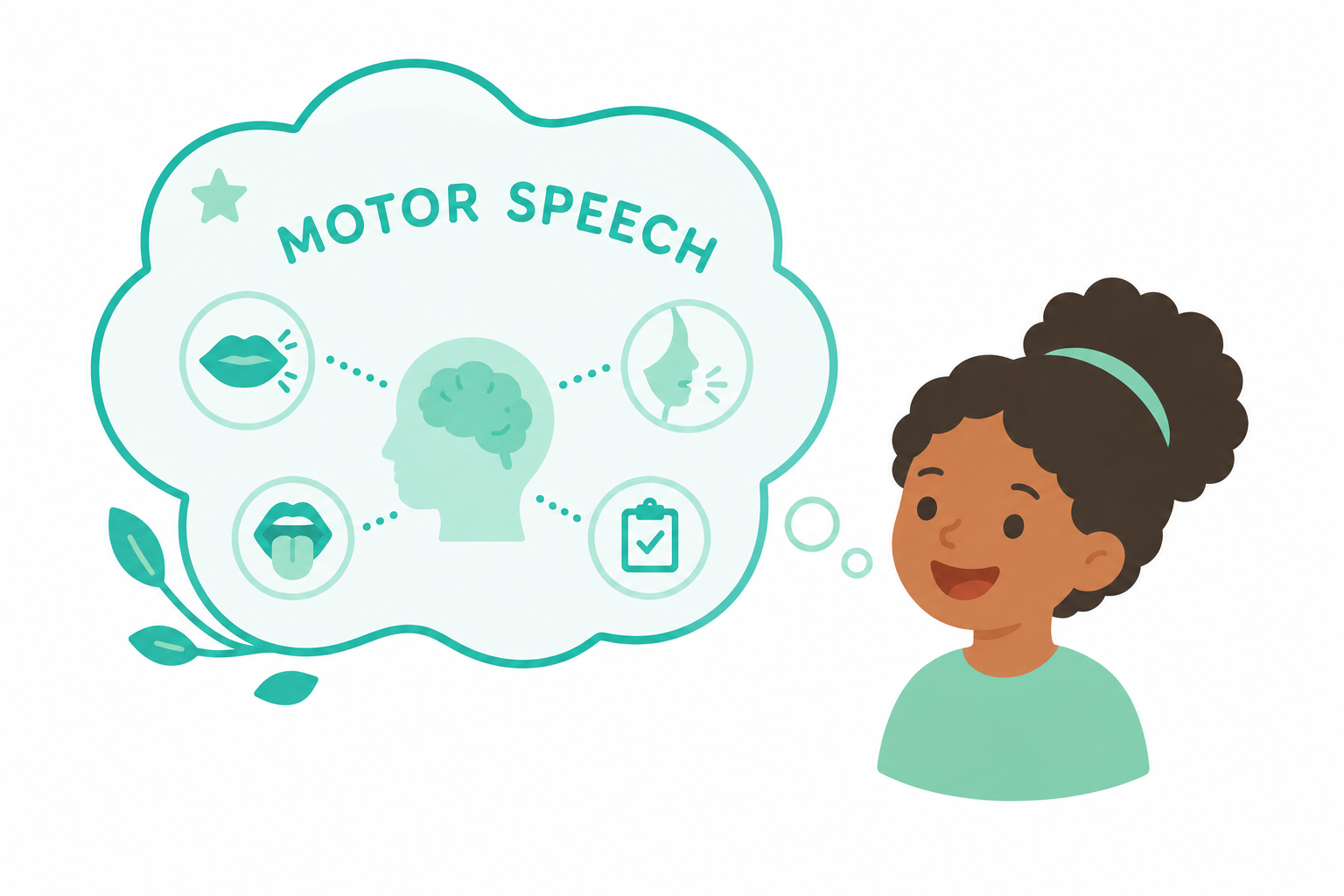
Motor speech therapy supports children who have difficulty planning and coordinating the movements required for speech. These challenges may affect speech clarity, consistency, and intelligibility. Treatment uses evidence-based motor learning principles and carefully structured practice to help children develop more accurate, efficient, and automatic speech movements.